Surface finishing has transformed to become a precise engineering procedure. In the modern manufacturing industry of the present, the quality of coatings is directly linked to longevity, corrosion resistance and perception. In order to keep up with the demands of clients who expect flawless finishes and increasing global standards, a lot of manufacturing facilities are turning to paint robots.
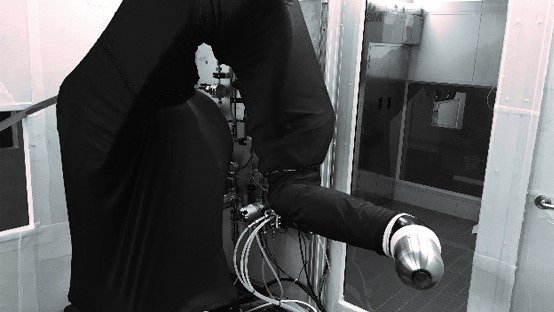
Image credit: automatedsolutions.com.au
A modern paint robot brings structured motion and programmable accuracy to applications that once depended on operator technique. By automating spray paths, speeds, and angles for application Manufacturers eliminate a number of the inconsistencies that lead to uneven film build or excessive material use. This produces an application process that is stable and promotes First Time Quality.
Consistency and effectiveness are crucial to the measurement of results
Due to fatigue, or just small variations in technique, hand painting can cause changes in thickness and coverage. Paint robots eliminate that variability since they repeat the same motion pattern throughout each production process. This consistency ensures uniform surface quality and optimized distribution of the material across all parts.
A paint system that is robotic can enhance the efficiency of transfer. By maintaining precise distance and orientation between applicator as well as component, overspray can be reduced and more coating material can be applied to the surface of the object. The reduction in material waste results in cost savings while reduced volatile organic compounds emissions help to ensure environmental compliance.
The fluid handling integrated into paint robotics guarantees precise mixing ratios in multi-component coatings. It eliminates inconsistencies, which can compromise the quality and integrity of the finished product. Combining stable flow control with variables that can be programmed, manufacturers are able to modify atomisation patterns and spray pattern settings in real-time.
Safety and productivity
Adopting a robot painter has an enormous benefit in terms the increased availability. Unlike manual operations, robotic paint cells operate continuously with only a few interruptions. After they are programmed the paint cells produce the same output without breaks or constant monitoring.
It is essential to take into account safety when working in a facility that utilizes bi-component solvents or solvent-based coatings. Paint that is atomised can cause hazardous environments, especially when it comes to flammable and reactive substances. Modern paint robots are developed to be safe even in the most difficult working environments. They reduce employees’ exposure to harmful substances, and enhance safety at work.
The technology of conveyor tracking enhances productivity further through the robot-controlled painting of parts while they are in motion. This capability expands the effective working area and helps keep the production lines in good working order.
Australian Automation Expertise Supporting Industry
Access to experienced automation partners is essential for companies who are looking to modernize their finishing processes. Automated Solutions, a leading robotic integration service provider in Australia is gaining a reputation for offering advanced robotic solutions. The team has vast experience in automation engineering and is certified as FANUC robotic integration experts. They help businesses implement custom-designed robotic paint solutions that meet their specific needs.
Automated Solutions helps manufacturers evaluate their processes, and design robotic paint cells, combining experience from industry with technical expertise. By combining collaborative design with simulations and integration of systems, businesses can better understand the expected improvement in performance before implementing.
Paint robotics goes beyond just automation. It is about improving quality, safety and effectiveness. Well-engineered paint robotic systems transform finishing on surfaces from a lengthy, expensive, and unreliable operation into a repeatable, controlled procedure. Assistance from automation experts can assist companies in increasing their competitiveness and assure sustainable growth in a competitive market.