A pump station that’s older doesn’t have to stop operating to become a source of concern. It can still transfer water or wastewater every day and yet be unable to cope with peak demand, require increasingly frequent maintenance, or rely on controls that are becoming difficult to sustain. While the equipment remains being used but its original design might not be suitable for the current climate.
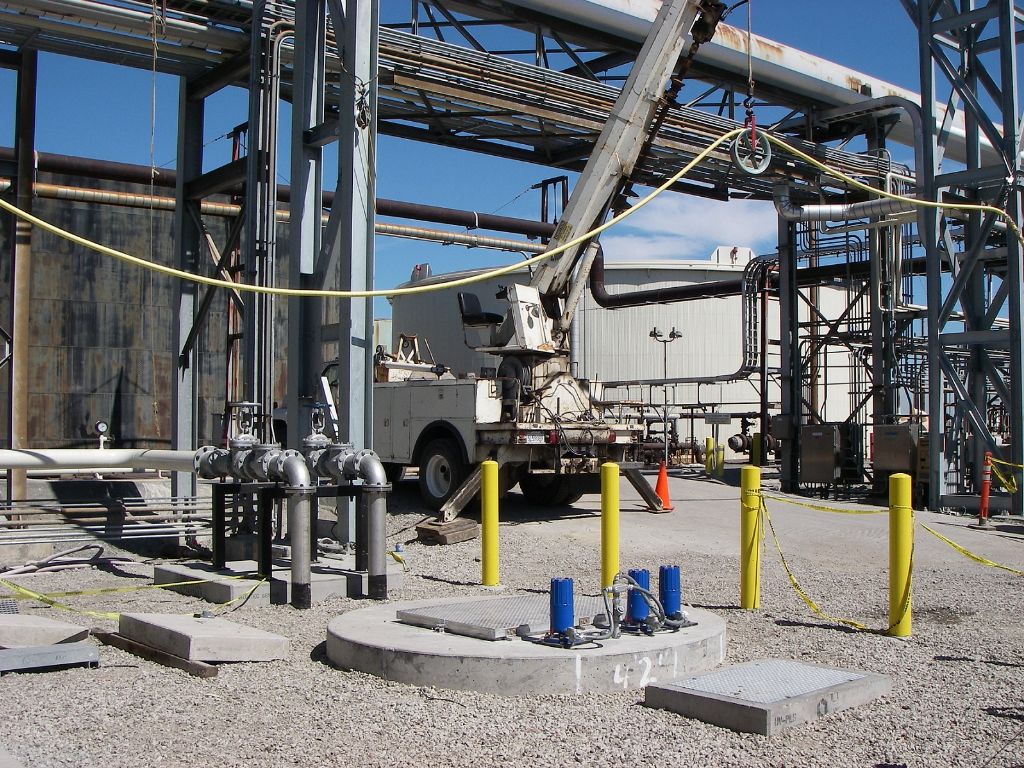
Image credit: romtecutilities.com
For municipal governments, developers and facility managers, understanding the distinction is an important part of planning improvements to infrastructure.
The Equipment that is failing is Not the Only Problem
A wastewater lift station retrofit should begin with an assessment of the complete system, not simply the pump experiencing problems. Engineers must assess the wetwell, the mechanical equipment, as well as electrical components. They should also think about discharge piping and the needs of current pumping.
It is essential to pay attention to the state of your wet well. If the structure of your wet well is still sound and in good condition, it could be possible to replace it with a new equipment while keeping its existing structure. This could reduce the construction costs as compared to the construction of a new station. But, keeping the existing infrastructure is only a good idea when it can support the plans for improvements.
Have the boundaries of the Service Area changed?
The wastewater plant that was built years ago can now be used to supply many more households, businesses and industrial activities.
The changes could impact the flow rate as well as operating requirements. To ensure that lift stations are successfully rehabilitated, it is not enough to restore the original specifications. Engineers must assess the flow rates and expected flows as well as equipment’s capacity and performance.
It’s not enough to just purchase a larger pump. New equipment must work with existing pipes and wet well, as well as the electrical supply, and control. If you upgrade one component there is a chance that it will cause issues in other areas.
The priorities for retrofitting stormwater systems are different
Retrofitting a pump station for stormwater brings additional considerations, as runoff patterns can be affected by rain and nearby development. Stations that service a detention basin may have different inflow patterns than those that get water from storm drains. Changes in drainage infrastructure, such as new pavements or expanded parking lots, can affect the timing and amount of water that can be available to the station.
Before recommending a proposed stormwater station upgrade, engineers should look at the drainage area of the station the anticipated peak flows, storage capacity, discharge conditions, and the current pump performance.
The data will allow you to determine if your station needs to be rebuilt or if modernizing equipment is sufficient.
Plan for the Construction Before Interrupting Service
How the station will function in rehabilitation is a subject which is frequently ignored. In general, wastewater systems cannot be closed without a plan for flow management.
Based on the space available and project needs, construction may involve temporary bypass pumps or the installation of new infrastructure in conjunction with the operating station.
It is equally important to plan ahead for stormwater-related projects because the system could be needed in unexpected rainstorms. An engineering plan that is complete should contain installation sequencing, temporary operations installation, equipment integration and commissioning not only replacement parts.
Create the Final System simpler to use
Romtec Utilities is a provider of engineering services for sites, supply and solutions for wastewater and Stormwater Pumping Applications.
The retrofit method determines which electrical, structural mechanical, and communication elements are required to be maintained and which require replacement. The company provides owners with preliminary plans and estimates of budgets to help them evaluate possible options for the project.
Following installation, tests for startup and commissioning, as well as operator training, and operation and maintenance documentation help establish that the new station is operating in accordance with the specifications of its design. Rehabilitation projects that are successful should offer operators with a simple maintenance system.
Improve the System, Not Just Its Age
A pump station that’s older isn’t necessarily a candidate for complete replacement. Even if the electrical and mechanical equipment is old certain structures could be beneficial for years to come. The most important thing is to figure out the elements that can be effectively preserved while ensuring the station is able to meet current and future demands.
Owners can make better investment decisions by looking at the operational conditions including structural integrity, structural integrity and hydraulic demands together.
The aim in upgrading an older system is not to make it functional again. It’s to make sure the new system is ready for the task ahead.