Take a look at two public restrooms. Imagine two restrooms that are public. The other is situated near a trailhead that is remote, and is surrounded by a vast open area.
Both provide the exact service, but treating the same buildings would ignore how differently those places function.
The site is the initial step to build a quality public restroom. Who will use the facility? How many guests can be in the facility simultaneously? What are the services offered? What distance will visitors be able to stroll? What architectural style is used to surround the structure?
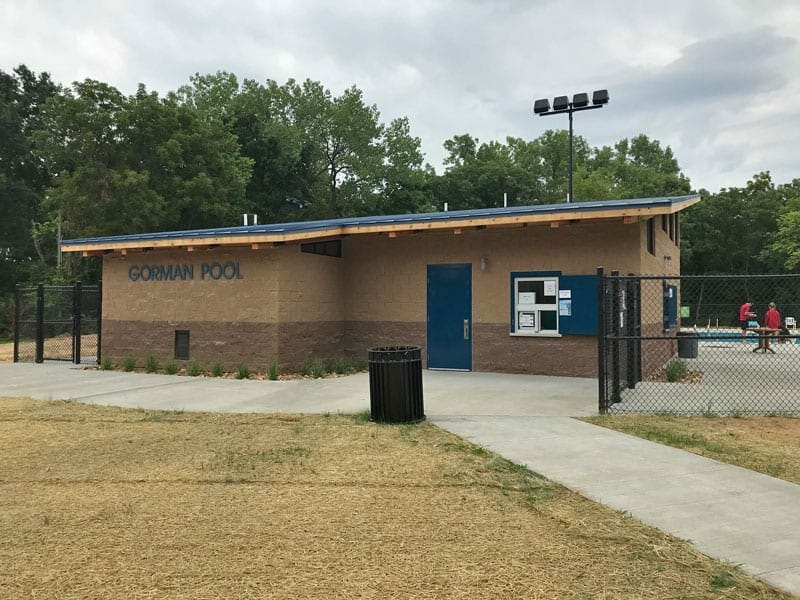
Image credit: romtec.com
Answering these questions can influence almost all of the decisions to come.
Start with the way people move through the Site
The location of restrooms shouldn’t be thought of independently from the rest of a park. When a facility is a sport massive crowds could be gathered around games and events. It is vital that the bathroom for the playground is located in a convenient location that is accessible to families, as well as integrate into the traffic flow. In a downtown setting, sidewalk restrooms may have to work within a tighter footprint and complement nearby streetscape features.
The structure itself isn’t the whole experience. The entrances, pathways, the surrounding activities and accessibility all impact the way in which the place is utilized as intended.
Remote sites pose a unique issue
Move the project away from established roads and utility infrastructure. The traditional sewer line may not be accessible in a scenic spot or in remote recreation areas, trailheads, campgrounds, or in other locations. When the circumstances are right vault toilets can be an alternative to toilet facilities to be used in areas where plumbing infrastructures of the traditional kind may be unattainable or inaccessible.
The conversation shifts around design. Instead of deciding on a building in the beginning, team members are able to evaluate the site’s conditions and determine which restroom system makes sense for the location.
Capacity ought to reflect Actual Use
The patterns of visitors to parks that are quiet and regional sports facilities are different. Demand for peak times is crucial. It is not enough to have your facility in good condition on an afternoon on a Tuesday.
Before building, property owners must be aware of the usage for bathrooms, including their capacity, layout, fixtures and maintenance requirements.
If you are a company looking at constructed park restrooms, flexibility can be particularly advantageous since the building can be constructed to fit the project’s requirements instead of making the location fit an established model.
The Architecture Conversation Continually Belongs to Us
Appearance is not ignored just due to its function. The bathroom is a crucial aspect of the public realm. Roof forms, siding, colours, masonry, fixtures and other architectural features can assist in connecting it with nearby concession or pavilion buildings and the natural environment, the design concept, or even a neighborhood.
Romtec’s custom approach allows teams to employ different materials, colors and shapes, as well exterior styling, instead of being limited to a traditional appearance.
Designing for the Environment, not just the Theming
Romtec partners with park owners and contractors in order to construct and supply bathrooms and other public facilities. Its experience includes building documents as well as code requirements, ADA considerations, engineering, component selection, and construction throughout the United States.
It’s surprising how easy starting points are. Begin by deciding on the type of bathroom you’d like build. Learn about what’s already taking place on the location, including people, activities and infrastructure. Develop the building suitable for the location.